Air Layering In Summer

The Minnesota Rose Gardener Propagating Roses By Air Layering

Summer Air Layer Experiment Did It Work Shimpku Juniper Summer
Air Layering Propagation How To Air Layer Plants

Air layering in summer
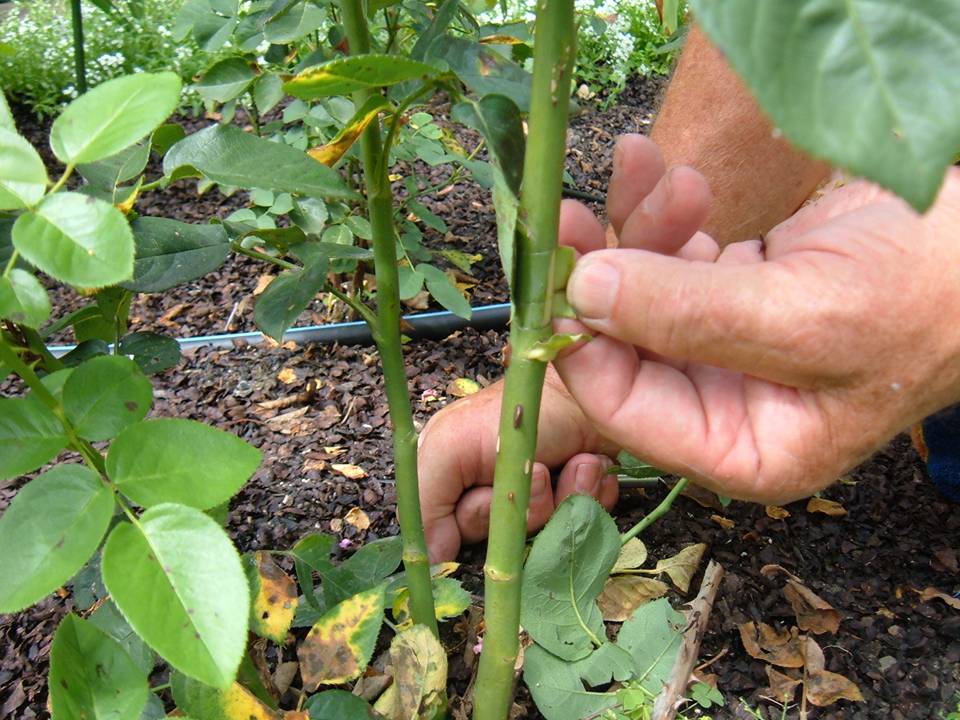
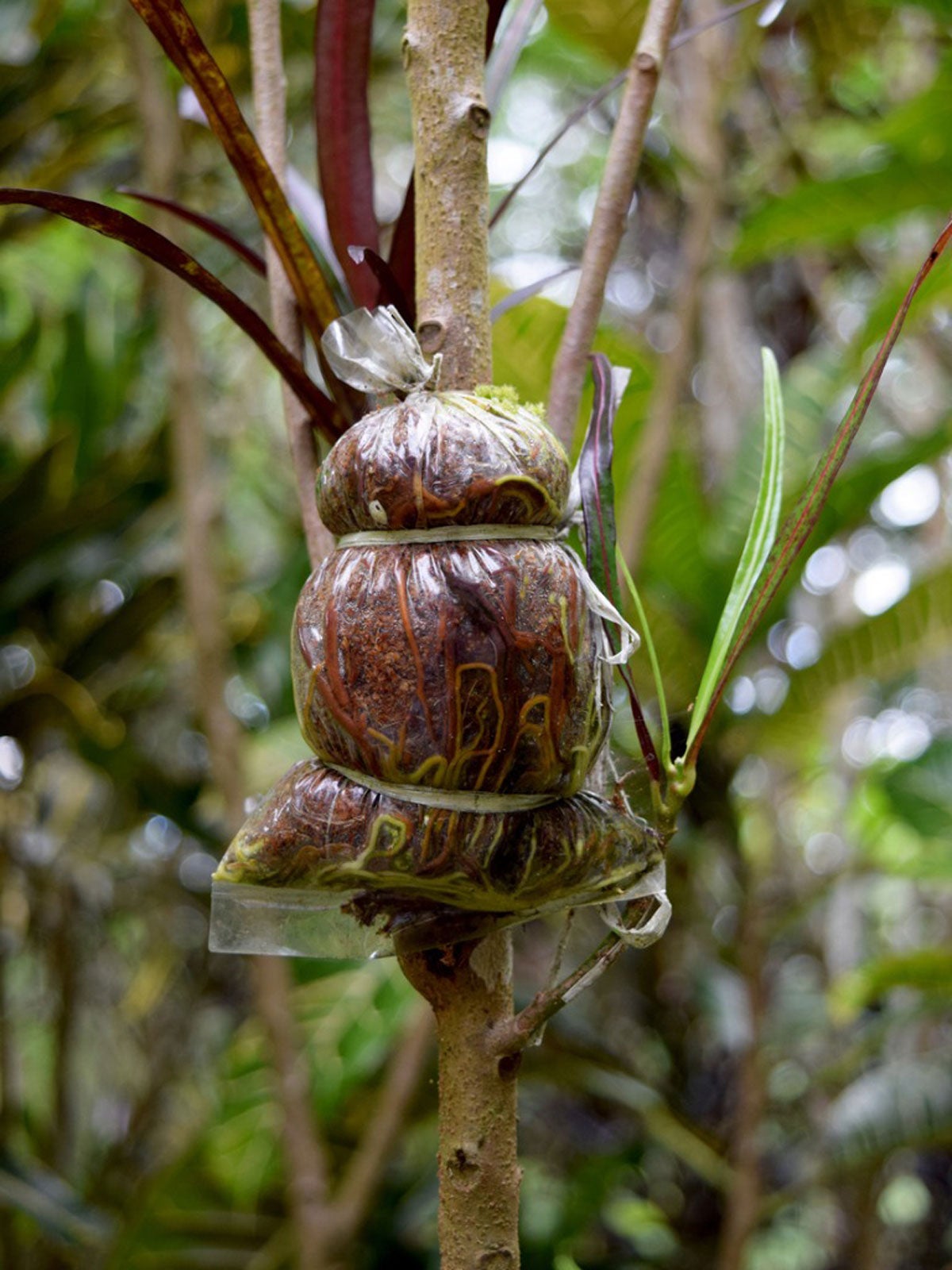
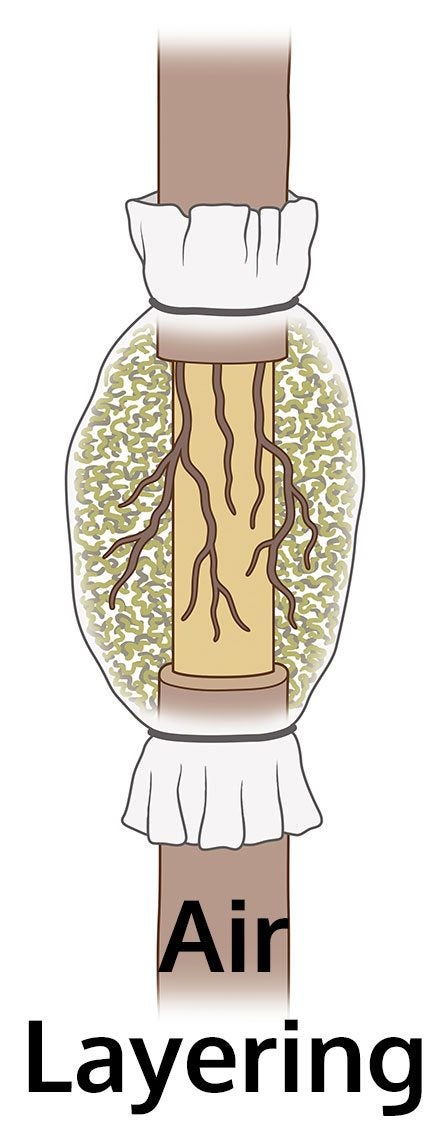
The air layer is usually made 12 15 inches below the tip of the branch. Taking cuttings is a better technique for smaller younger stems as they can survive off of capillary action delivering water and nutrients to the plant. This method believed to have been developed centuries ago by the chinese has been used successfully as a mean of propagating some of the more difficult to root plants. The only real difference between air layering and cuttings is the fact that you remove the stem completely when taking a cutting. Air layering can be used to propagate large overgrown house plants such as rubber plant croton or dieffenbachia that have lost most of their lower leaves. It clones your tree effectively produces a true to type genetically. Air layering plants is a method of propagation that doesnt require a horticultural degree fancy rooting hormones or tools. Air layering propagates a new tree with mature characteristics in one growing season. An air layering method the easiest and most reliable air layer method you will ever use to create a copy of a fruit tree. Woody ornamentals such as azalea camellia magnolia oleander and holly can also be propagated by air layering. Air layering is a useful method of producing roots on the stem of indoor landscape plants that have become leggy through the loss of their lower foliage. Air layering is a useful method of producing roots on the stem of indoor landscape plants that have become leggy through the loss of their lower foliage. The method of wounding woody plants such as magnolia rose and similar plants is to make two parallel cuts with a shape knife about 1 12 inches apart around the stem and through the bark and cambium layer. This method believed to have been developed centuries ago by the chinese has been used successfully as a mean of propagating some of the more difficult to root plants. For optimum rooting make air layers in the spring on shoots produced during the previous season or in mid to late summer on.
Even the novice gardener can gather a few tips on the process and have a successful outcome. On a healthy limb completely remove a ring of bark 1 12 to 2 times the diameter of the branch to be air layered. Air layering is a simple process similar to layering that can be completed in one season. The branch is wounded to induce rooting.
Related post:

Air Layering Advise

Air Layering American Camellia Society

Grafting And Air Layering In One Step To Propagate Several Plants

Annie S Journal Propagating Rose Plant In Summer Tutorial On

Light As Air Layering Perfect For Summer Fashion

Using Syringe For Air Layering Method To Ensure 100 Success Even
Air Layering Propagation How To Air Layer Plants

Gardening Hats For Men Made In Usa Gardening Booklet Ks1 K2

Light As Air Layering Perfect For Summer Your Style Journey
Pressreader Gardening Australia 2019 02 01 Marcot A Lychee

Air Layering A Fig Tree Root Figgi Riggi The Art Of Fig Farming

Okxcyuyqufsq5m
Clone Your Favorite Plants Trees Air Layering Simple
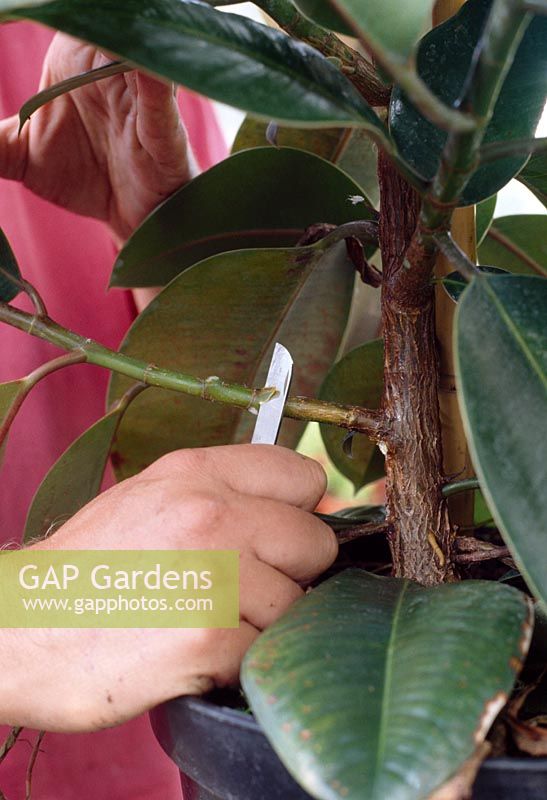
Air Layering A Rubbe Stock Photo By Mark Winwood Image 0173049

Poc Mtb Air Layer Bib Short Men S Backcountry Com

Air Layering For Difficult To Root Plants Earth Kind Landscaping
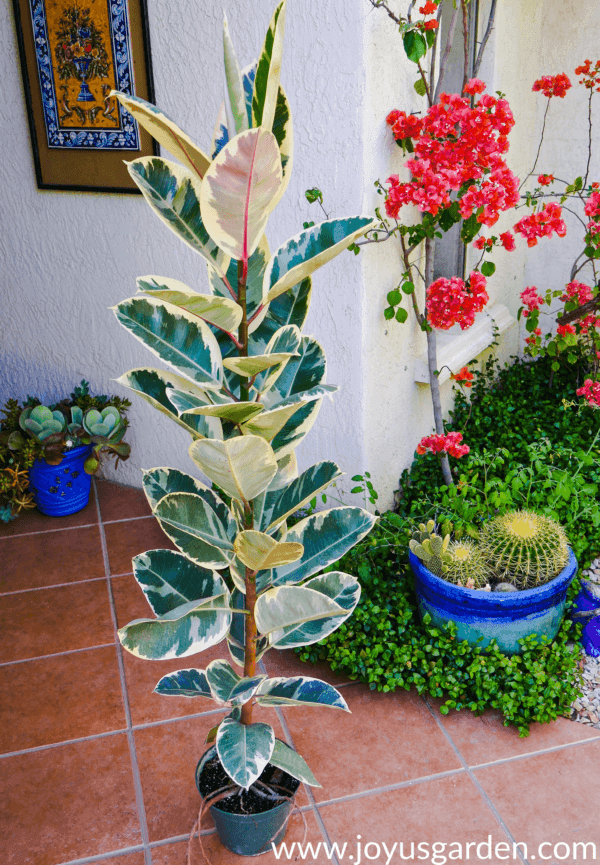
How To Propagate A Rubber Plant By Air Layering Joy Us Garden

Lessons In Layering 5 Summer Outfit Ideas From Cannes Street
That's all about Air layering in summer, The branch is wounded to induce rooting. Air layering is a simple process similar to layering that can be completed in one season. On a healthy limb completely remove a ring of bark 1 12 to 2 times the diameter of the branch to be air layered. Even the novice gardener can gather a few tips on the process and have a successful outcome. For optimum rooting make air layers in the spring on shoots produced during the previous season or in mid to late summer on. This method believed to have been developed centuries ago by the chinese has been used successfully as a mean of propagating some of the more difficult to root plants.

